

If you want the short answer, here it is:
- Use a small, high-quality synthetic angled brush, usually 1 1/2 to 2 inches, for most wall, trim, and door touch-ups.
- Buy the Wooster Shortcut if you want the easiest control in tight spaces.
- Buy the Purdy Clearcut Cub if you want a short-handle brush with more precise cut-in feel.
- Buy the Wooster Silver Tip if the finish is the priority and you want the smoothest result on trim or doors.
The biggest mistake people make with touch-ups is assuming the smallest brush is always the best brush. It is not.
What you actually want is:
- a brush small enough to stay controlled
- a filament that matches the paint
- a tip shape that lets you feather the repair instead of leaving a hard patch
That usually means a good synthetic angled sash brush, not a random chip brush or foam brush.
My Top Picks
Best overall for most touch-ups: Wooster Shortcut
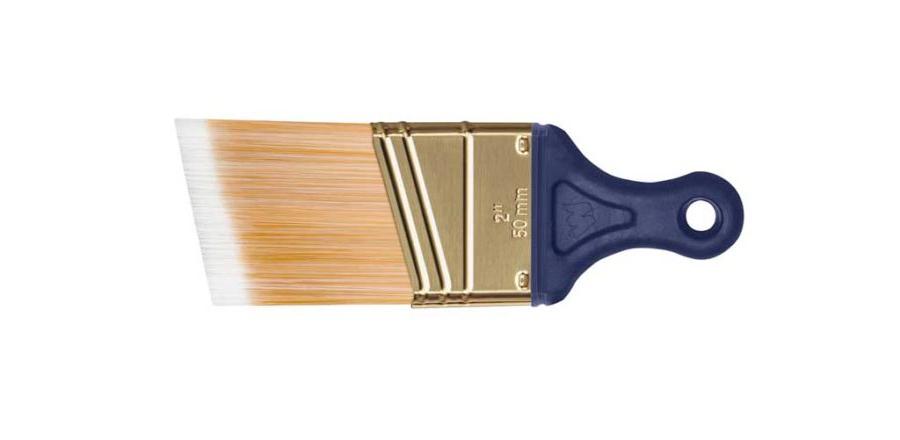
If I wanted one touch-up brush for the broadest range of normal home repairs, I would start with the Wooster Shortcut.
Wooster describes the Shortcut as being comfort sized for compact spaces, with a soft, flexible Shergrip handle that adds control and reduces fatigue, and as ideal for small, narrow spaces. That is exactly what I want in a touch-up brush. Touch-up work is usually awkward, close-up work. A short, easy-to-control handle helps.
Why I like it:
- The compact handle makes it easier to work close to the wall or trim.
- It is a more natural brush for spot repairs than a full-size wall brush.
- It gives better control around corners, door casings, and smaller scuffs.
- A 2-inch angled brush is still large enough to feather a touch-up instead of leaving a tiny, obvious patch.
Where I would use it:
- wall scuffs
- baseboard nicks
- door casing touch-ups
- repainting small repaired spots after spackle
- quick trim fixes
Where I would not use it as my first choice:
- ultra-smooth finish work where I want the softest possible filaments
- tiny pinhole-size chips where an artist brush or very small detail brush makes more sense
For most homeowners, this is the touch-up brush I would trust first.
Best for precise cut-ins and tighter control: Purdy Clearcut Cub
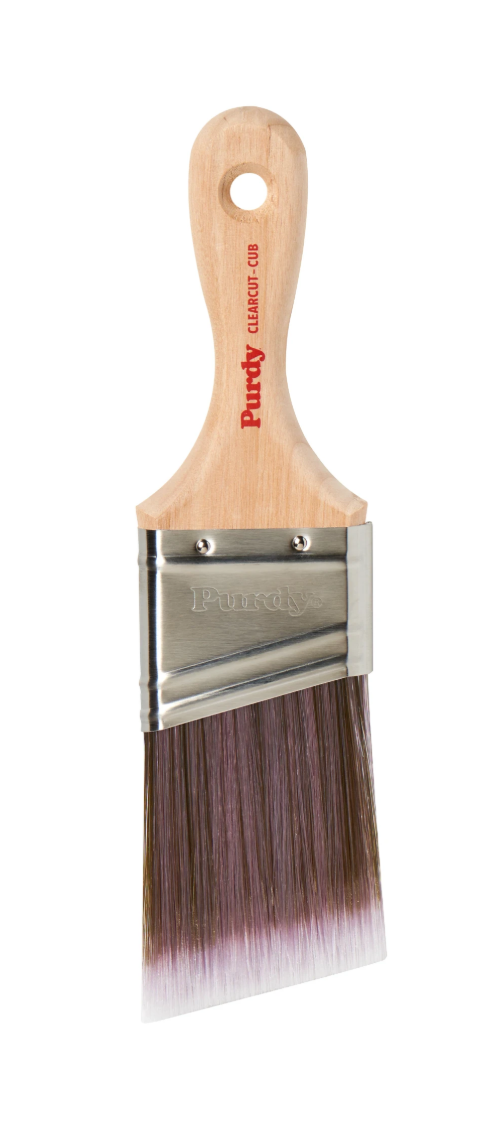
The Purdy Clearcut Cub is the brush I would consider when I want a short handle but a slightly more precision-oriented cut-in feel.
Purdy says the Clearcut Cub is designed for well-defined lines with precise cut-in ability, uses stiff bristles, has a short handle, and is designed for latex paints and primers. That makes it a strong fit for trim touch-ups, edge work, and tighter repair areas where the brush has to stay exactly where you put it.
Why I like it:
- The short handle helps with close control.
- The stiffer bristle package gives you a more deliberate cut line.
- It is a good fit for trim, molding, corners, and other edge-heavy work.
- It makes more sense than a big full-length brush when you are working inches from your face.
Where I would use it:
- trim touch-ups
- crown or molding nicks
- inside corners
- edge repairs around ceilings and trim
- repaints after light patching
Where I would not use it as my first choice:
- broader wall blending where a slightly more forgiving brush feel helps
- oil-based touch-ups, since this brush is positioned around latex paints and primers
If your touch-up work often includes edges and cut lines, this is a very good brush style.
Best for the smoothest finish on trim and doors: Wooster Silver Tip
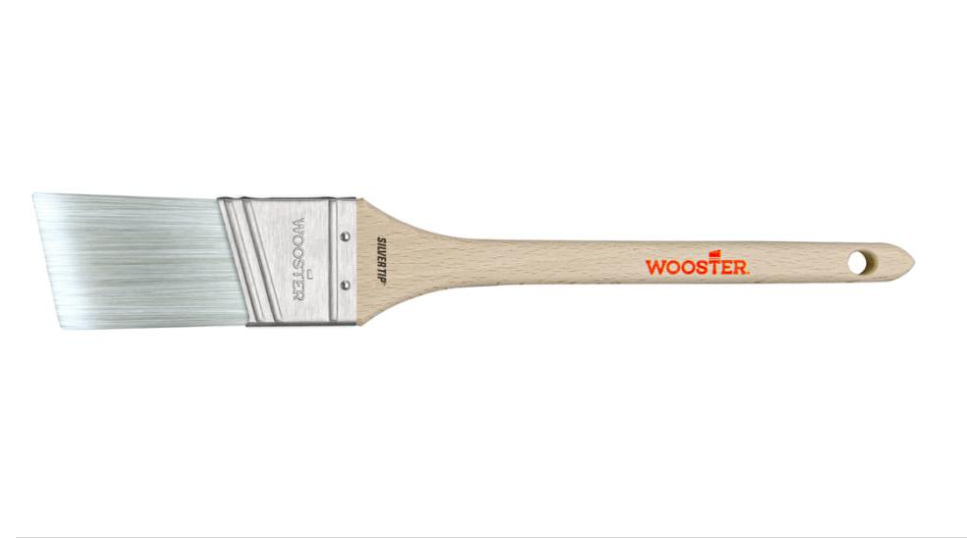
The Wooster Silver Tip is the pick I would favor when the touch-up is on smoother trim, doors, or other areas where brush marks are the biggest risk.
Wooster positions the Silver Tip around its smoothest finish, says it virtually eliminates brush marks, and uses a soft blend of 100% CT polyester filaments. That makes it the best fit here when you care more about the final surface look than about aggressive cut-in control.
Why I like it:
- It is the best fit of these three for a smoother finish.
- Softer filaments can help on trim and doors where heavy brush texture stands out.
- It is useful when you are trying to blend a repair instead of driving a hard edge.
Where I would use it:
- door touch-ups
- smoother trim repairs
- cabinet-adjacent touch-ups
- semi-gloss and satin surfaces where brush texture shows fast
Where I would not use it as my first choice:
- rougher cut-in work where I want a stiffer brush
- patchy wall repairs where I am less concerned about a very fine finish
This is the brush I would lean toward when the repair is small but the finish is unforgiving.
What Kind of Brush Is Actually Best for Touch-Ups?
For most interior touch-ups, I would use:
- a synthetic brush
- an angled sash shape
- a size around 1 1/2 to 2 inches
Why synthetic?
Because most modern interior paints are water-based, and synthetic filaments hold their shape better in those coatings. If you are unsure what is already on the surface, start with the different types of paint for your home.
Why angled?
Because an angled brush is easier to steer along trim, corners, and small repairs than a flat, wide brush.
Why not go tiny by default?
Because a brush that is too small often leaves a hard, obvious repair spot. A slightly larger brush lets you feather the edges and blend better.
What I Would Use for Common Touch-Up Jobs
Small wall scuffs and repaired nail holes
Use the Wooster Shortcut.
It gives the best balance of control and enough brush size to feather the repair.
Trim nicks and edge repairs
Use the Purdy Clearcut Cub.
This is where the short handle and precise cut-in feel help most. If the touch-up is turning into a bigger trim repaint, see the best paint for your interior trim.
Door and smooth trim touch-ups
Use the Wooster Silver Tip.
The softer finish matters more on these surfaces because brush marks show up faster.
Tiny chips or pin-point damage
Use a very small artist brush only if the defect is genuinely tiny.
For most normal touch-ups, a real paintbrush still blends better than a tiny hobby brush.
Touch-Up Technique Matters More Than the Brush
The brush matters, but technique matters more.
1. Clean the area first
A lot of marks come off with light cleaning. Always try that before painting.
2. Use the same paint and the same finish
Even a perfect brush will not hide a mismatch in sheen or color. If you need a refresher on sheen differences, read paint finishes.
3. Do not overload the brush
Touch-ups usually fail because too much paint was applied to too small an area.
4. Feather the repair
You want the new paint to taper off into the old finish, not sit on top of it like a dot.
5. Know when to repaint the whole section
If the wall has a lot of wear, flashing, or sheen difference, the best touch-up brush in the world will not make the patch disappear. At that point, repaint the full wall or full trim section. For larger repaints, see how to paint a room.
Common Touch-Up Mistakes
- using a cheap chip brush
- using the wrong sheen
- trying to touch up a large wall patch with a tiny brush
- putting too much paint on the spot
- expecting old flat or eggshell paint to blend perfectly after years of wear
FAQ
Should I use a foam brush for touch-ups?
Usually no.
Foam brushes can be useful in narrow situations, but I would not treat them as the default best choice. A quality synthetic brush usually gives better control and a cleaner edge. If you are choosing brushes for more than touch-ups, top 3 best paint brushes for trim is the better guide.
Is a smaller brush always better for touch-ups?
No.
The brush should match the size of the repair, but if you go too small, the spot often becomes more obvious because you cannot feather the area properly.
What size paintbrush is best for touch-ups?
For most interior touch-ups, I would start around 1 1/2 to 2 inches.
Only go smaller when the damaged area is genuinely tiny.
Why does my touch-up still show?
Usually because of one of these:
- the paint color is slightly off
- the sheen does not match
- the wall has aged or faded
- too much paint was left in one spot
Final Verdict
If I had to simplify the buying decision:
- Best overall touch-up brush: Wooster Shortcut
- Best for precise trim and cut-in work: Purdy Clearcut Cub
- Best for the smoothest finish on trim and doors: Wooster Silver Tip
The bigger point is that the best paintbrush for touch-ups is usually not a gimmick tool. It is a controllable, high-quality synthetic brush in the right size, used with restraint and with the same paint that is already on the surface.


