PVC trim is a popular choice for window and door frames, as it is durable and easy to clean. But some homeowners may wonder if it is possible to paint PVC trim and if so, what type of paint should be used.
Yes, painting PVC trim is possible. but it is important to use the right type of paint. Oil-based paints are not recommended, as they can yellow and crack over time. Instead, opt for a latex-based paint.Read this article for more information about different types of paint.
What is the best paint to use on PVC trim?
The best paint for PVC trim is a water-based 100% acrylic paint or a urethane-modified acrylic paint.
Acrylic resin is a great choice for exterior applications because it resists staining, water damage, cracking, blistering and UV light.
This makes it a great option for outdoor spaces that see a lot of wear and tear from weather and UV exposure.
An acrylic resin will not yellow in sunlight over time, making it a long-lasting choice for your home.
A Polyurethane-modified acrylic paint will make the paint even more durable. The main ingredients to make polyurethane are di- and tri-isocyanates and polyols.
It’s a versatile material that can be used for a variety of applications, including paints, sealants, and adhesives.
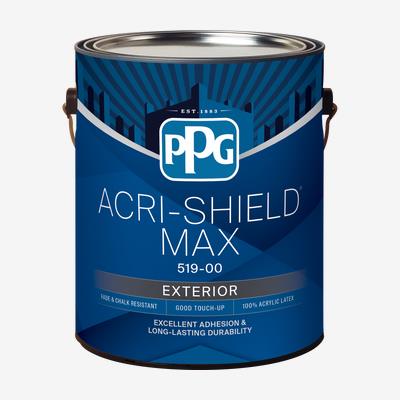
Image Credit: PPGPaints.com
Acri-Shield Max Exterior from PPG is a premium quality urethane-modified acrylic exterior house paint. It’s mildew resistant and has great hide and coverage properties.
It’s a paint with paint and primer in one which means that you don’t have to apply a separate primer before painting.
What customers have said about Acri-Shield Max Exterior:
“I have used Acryshield Max on many commercial and residential projects. Every time I use this product, it keeps performing to great standards. Is very easy to work, the application, coverage and flow….this product has it all. It covers very well with all colors and its performance is impressive. The color retainage and finish in many of my projects still looking like the day I completed them. Acryshield is affortable and one of the most important paint products in my arsenal”
“I’ve used Benjamin Moore Paints (Ben & Aura) Aura is like spreading thick pancake batter and Ben is like Aura‘s little brother but not as gooey. Aqua Shield-Max PPG has better flow, spreadability, easier to work with and is a premium quality paint! It covers extremely well too. I love using this paint.”
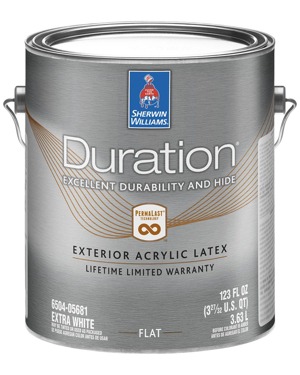
Image Credit: sherwin-williams.com
Duration from Sherwin Williams is an acrylic paint that is used and liked by professional painters. It’s self-priming and provides a mildew-resistance coating as well.
It requires just one coat for repaints and two coats for new work so exterior jobs get done fast. It’s available in flat, low lustre (slightly more gloss than eggshell), satin and gloss finishes.
What customers have said about Duration Exterior Acrylic Latex :
“This is the only paint that our contractor would guarantee (!!!) for 7 years. It lasted longer than 7 years in the extreme Georgia heat. No peeling, cracking, or chalking. When we had the house repainted we insisted again on Duration. Wonderful product.”
“My husband and I painted our home last summer. The paint went on very easy. Our home hadn’t been painted in about 20 years so the siding did soak up the paint. We used about 1.5 times the paint that we thought we would. We have had no problems with bubbles or pealing, although it went on during a heat wave. It looks fabulous! We have gotten many compliments. I thought that the paint was a bit more expensive than the box stores, but well worth it. We will definitely use Sherwin Paints again.”
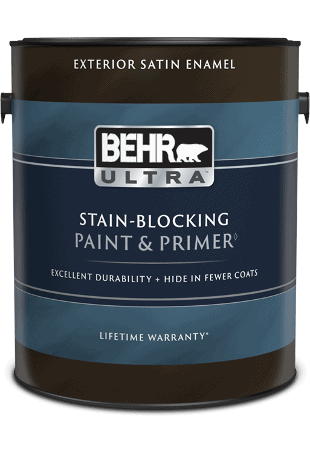
Image Credit: Behr.com
BEHR Ultra is a top-rated exterior self-priming, mildew and stain resistant paint. It comes in flat, satin and semi-gloss sheens.
What customers have said about Behr Ultra:
“I love the application of this paint and the durability is awesome! The paint and primer in 1 is the best way to go. I applied this paint to my house last year and it looks like new to this day. It has weathered a hurricane and many Georgia storms. I am super impressed. The neighbors always complement the paint!”
“I bought this for my daughters college home. We used a sprayer and Behr paint has such a great constituency and no clogging. Boys (brothers) painted home in a weekend. She loves the colors and we loved the way it covered over the old. House looked new, we get a lot of compliments, Thanks Behr!”
With these 3 paint to choose from, you can’t go wrong when painting PVC trim. They will all provide great coverage and durability.
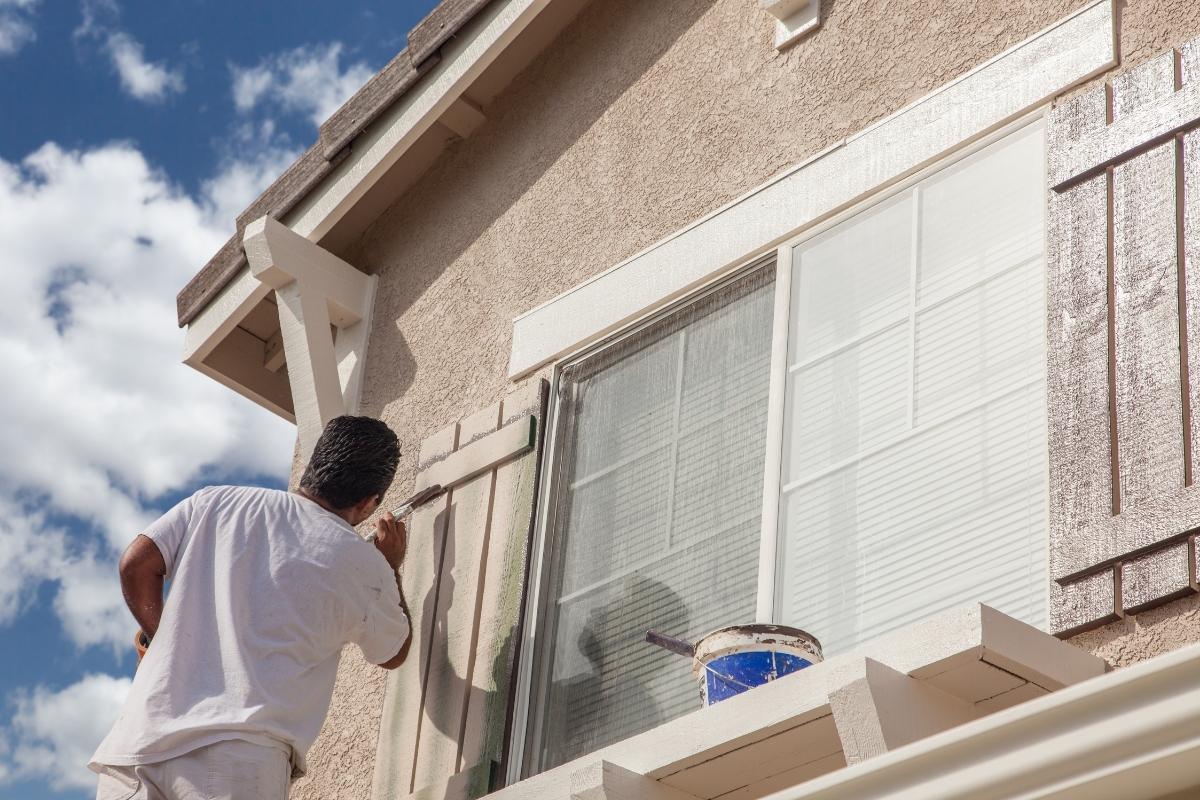
Don’t paint with too dark colors since the heat generated might warp the PVC.
A rule of thumb I use: stick to colors with a Light Reflectance Value (LRV) of 55 or higher. Below that, dark colors start absorbing enough solar heat to warp or distort PVC trim over time. If a client wants a darker color anyway, look for a paint line formulated specifically for vinyl and PVC — Sherwin-Williams VinylSafe is one example — since these are designed to reflect more heat than a standard exterior paint in the same shade.
What is PVC?
PVC, or polyvinyl chloride, is a type of plastic that is used in a wide variety of products. It is strong and durable, making it ideal for many applications.
PVC is often used in plumbing and electrical wiring, as well as in construction. PVC, or vinyl as it is also called, is one of the most common materials for a house siding in the U.S. It is also commonly used in food packaging and in medical devices.
PVC is made from common salt and hydrocarbon feedstocks. The electrolysis of salt water produces chlorine, which is combined with ethylene to form a vinyl chloride monomer (VCM).
PVC resin is made by polymerizing VCM molecules. It is then customized by adding appropriate additives.
A polymer is a large molecule made up of many smaller molecules called monomers. Polymerizing is the process of combining these monomers to form a polymer.
In the case of PVC, this process is used to create a resin that can be used to make products like window trim and house siding.
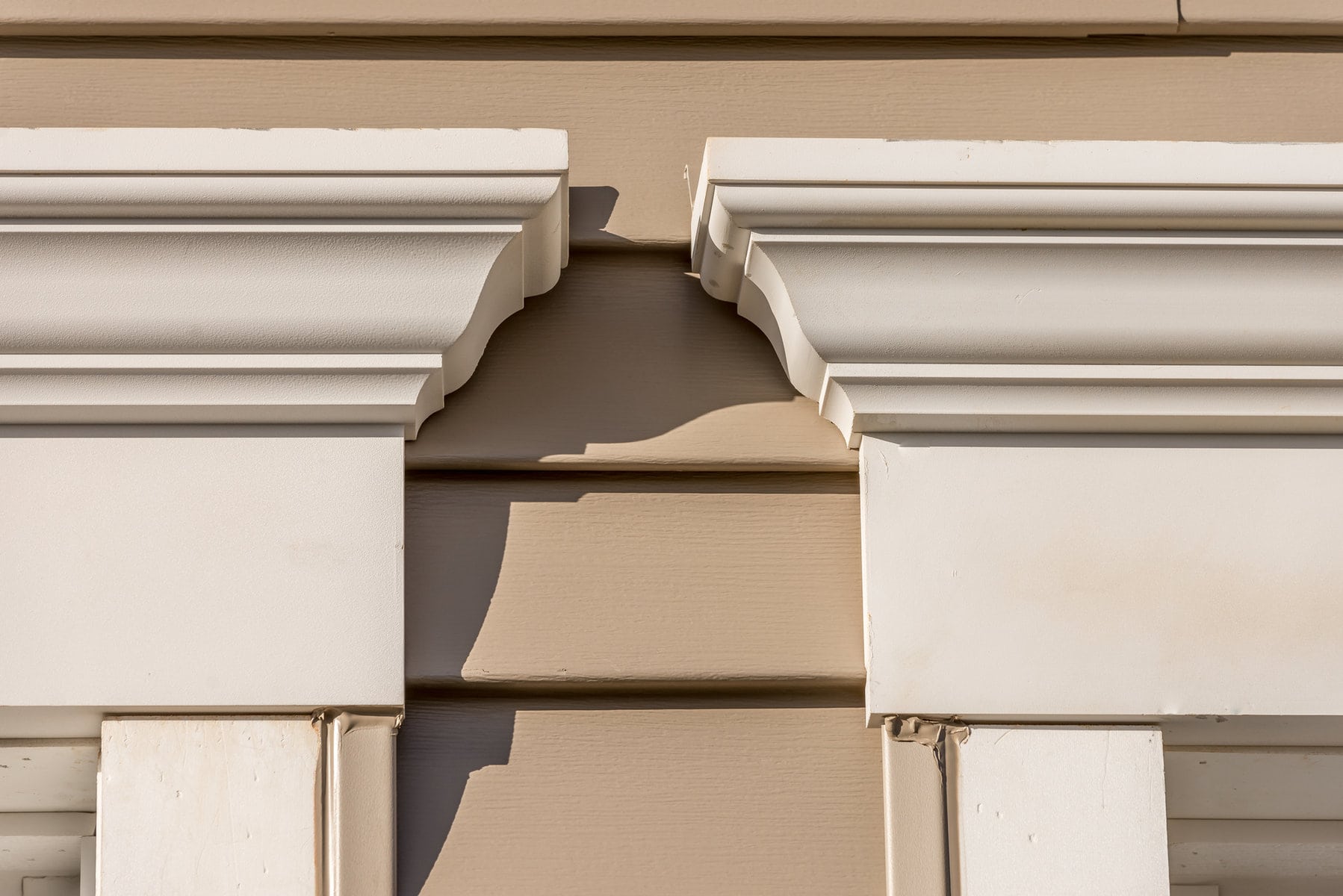
Do you need to prime PVC trim before painting?
Yes — I always prime plastic, and PVC is no exception. PVC is slick and non-porous, which is exactly the kind of surface paint struggles to grip on its own. Skip the primer and you're relying on the topcoat alone to bond to a surface it wasn't designed to stick to.
Here's the prep sequence I use:
- Clean the surface with isopropyl alcohol or mild soapy water. New PVC trim often still has manufacturing processing oils on it, and paint won't adhere well over that residue.
- Scuff-sand with fine-grit sandpaper (around 220-grit) to give the primer something to grip. You're not trying to remove material, just knock down the shine.
- Apply a bonding primer made for slick surfaces — Zinsser Bulls Eye 1-2-3 or Stix are both solid choices. This is the step that actually makes the paint stay put long-term.
- Apply two coats of paint once the primer has dried.
If the trim already has a coat of paint on it in good condition, you can usually skip straight to cleaning and a light scuff-sand before repainting — but for bare or new PVC, don't skip the primer.
Can you paint over the existing paint on PVC trim?
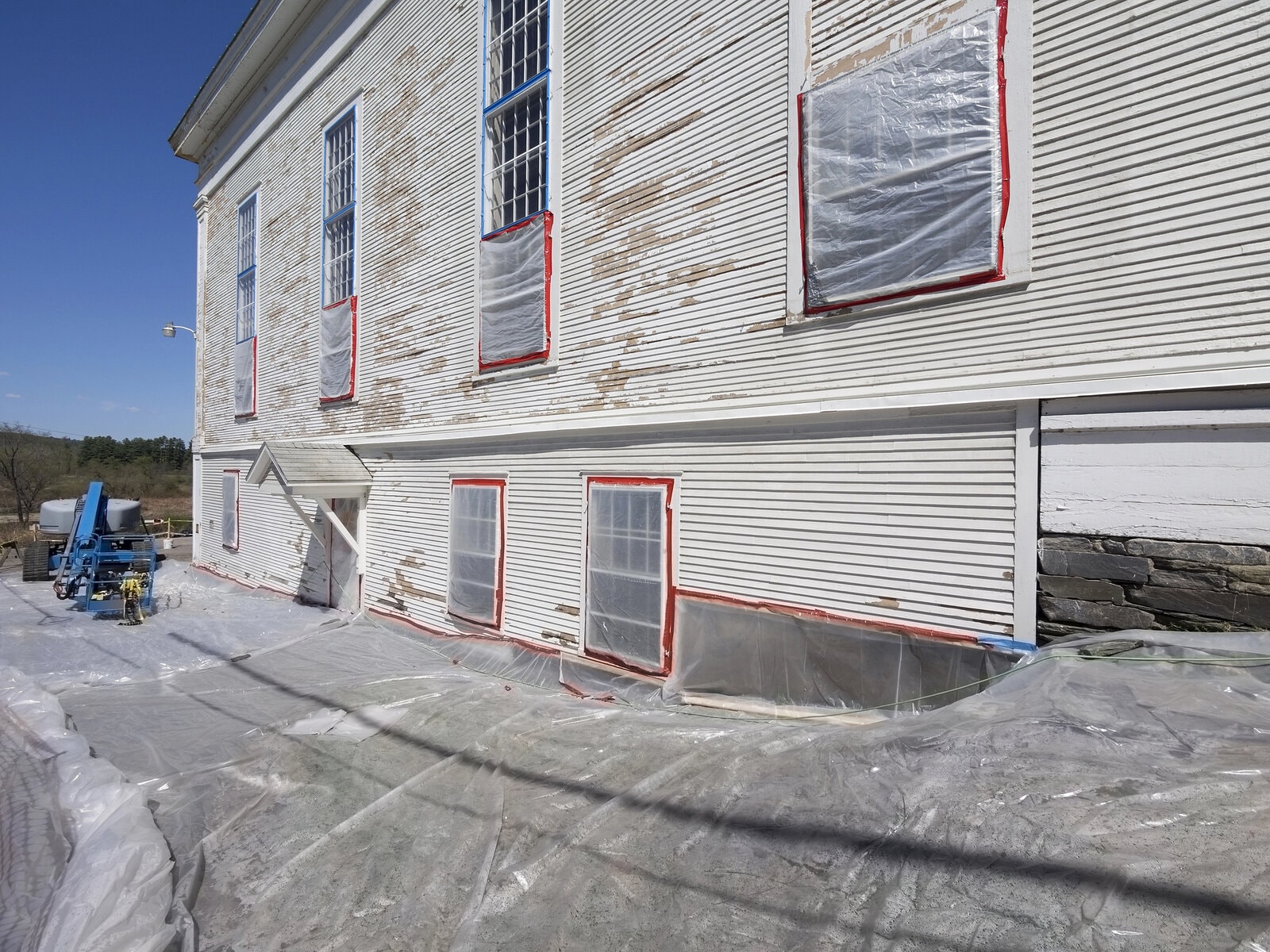
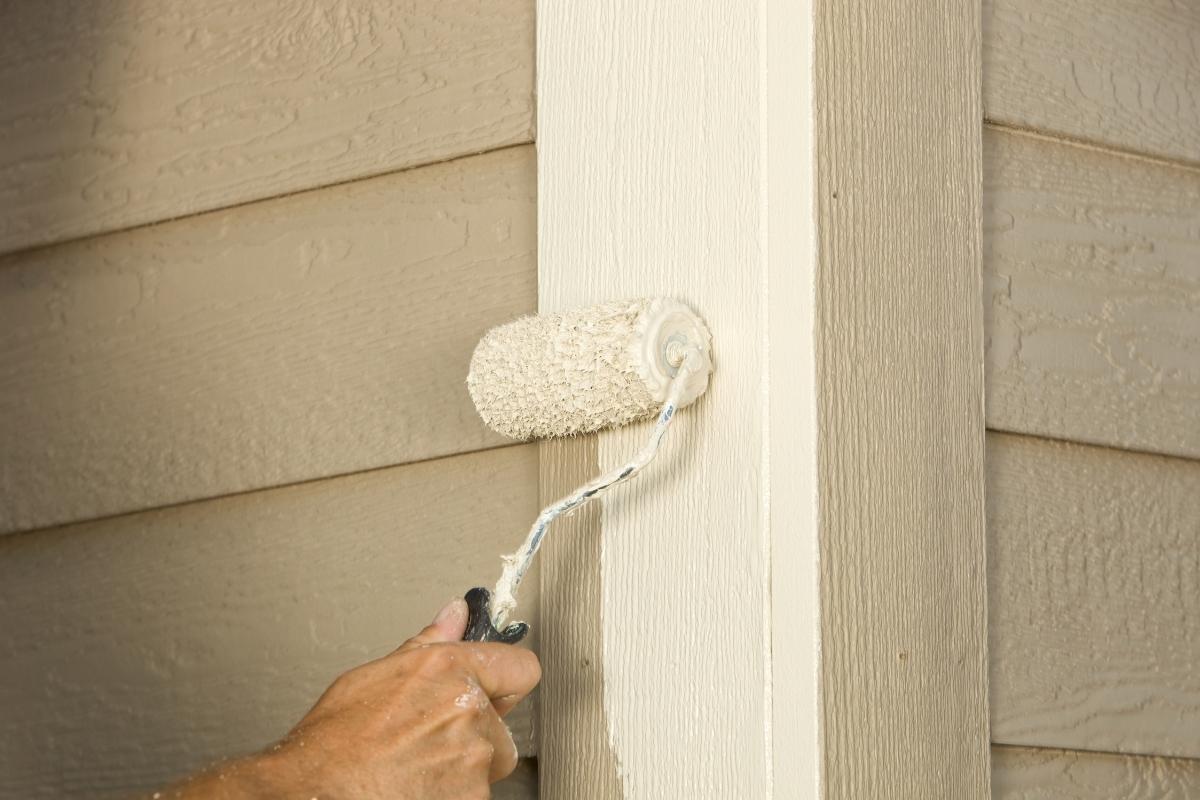
As long as the surface is properly prepared, you can paint over the existing paint on PVC trim either by spraying or roller and brush. The surface should be clean and dry, and any chipped or flaking paint should be removed.
Sanding the surface lightly will also help the new paint to adhere better.
What are the benefits of using PVC trim?
Some of the benefits of using PVC trim include:
- It’s durable and easy to clean.
- It’s resistant to staining
- Doesn’t absorb moisture
- Resists insects infestation
- It won’t rot
What are the disadvantages of using PVC trim?
Some of the disadvantages of using PVC trim can be:
- It yellows over time so it needs to be painted.
- Not easily repairable
- Not eco friendly
- Can expand when painted in dark colors
Frequently Asked Questions
Should you sand PVC trim before painting? Yes. A light scuff-sand with 220-grit sandpaper gives the primer something to grip. You're not sanding to remove material — just knocking down the factory shine enough for the primer to bond.
What happens if you paint PVC without primer? The paint may look fine at first, but without a bonding primer it has nothing to properly grip on a slick, non-porous surface like PVC. Expect peeling, chipping, or paint that scratches off far too easily, especially in high-traffic spots like window and door trim.
Is painting PVC trim a good idea? Yes, and it's common practice — factory-white PVC trim doesn't match every home's color scheme, and painting it lets you match your siding or design plan. Just follow the prep steps above (clean, sand, bond primer) and stick to a light-enough color to avoid heat warping.
Can you paint PVC trim any color? You can, but very dark colors risk warping the trim from absorbed heat. Keep colors at an LRV of 55 or higher, or use a vinyl-safe paint line if you want to go darker.
Conclusion
When your PVC trim has gone through the rigors of time and weather, a new coat of paint can give it a much-needed facelift and increase its lifespan.
Painting PVC trim is possible but you should take some time to prepare the surface beforehand. By doing this, you’ll achieve great results that last for many years.